Decoding Concerns: Raspberry Pi Adoption in Primary Educational Landscape
DOI:
https://doi.org/10.51200/bije.v6i.7623Keywords:
CBAM, Stages of Concerns, technology adoption, Raspberry Pi, learning toolsAbstract
This study seeks to understand teachers' technology adoption by examining their concerns regarding the integration of Raspberry Pi as an instructional tool. The Concerns-Based Adoption Model served as the theoretical framework to assess the levels of concern associated with this technological innovation in teaching and learning. The findings reveal that teachers exhibited varying degrees of concern related to technology adoption. Additionally, results from an independent t-test showed that neither academic qualification nor school location significantly impacted teachers' concerns. However, a one-way ANOVA revealed that participants' teaching experience significantly influenced their stages of concern. By examining the adoption process from the teachers' perspectives, more effective and relevant educational support measures can be developed.
Downloads
Published
How to Cite
Issue
Section
License
Copyright and Disclaimer
Copyright of all articles published in the Borneo International Journal of Education (BIJE) is held by the journal. The views, interpretations, and conclusions expressed in published articles are solely those of the authors and do not necessarily reflect the views or positions of the Editorial Board, Editorial Advisory Board, publisher, or journal management.
Open Access and Licensing Policy
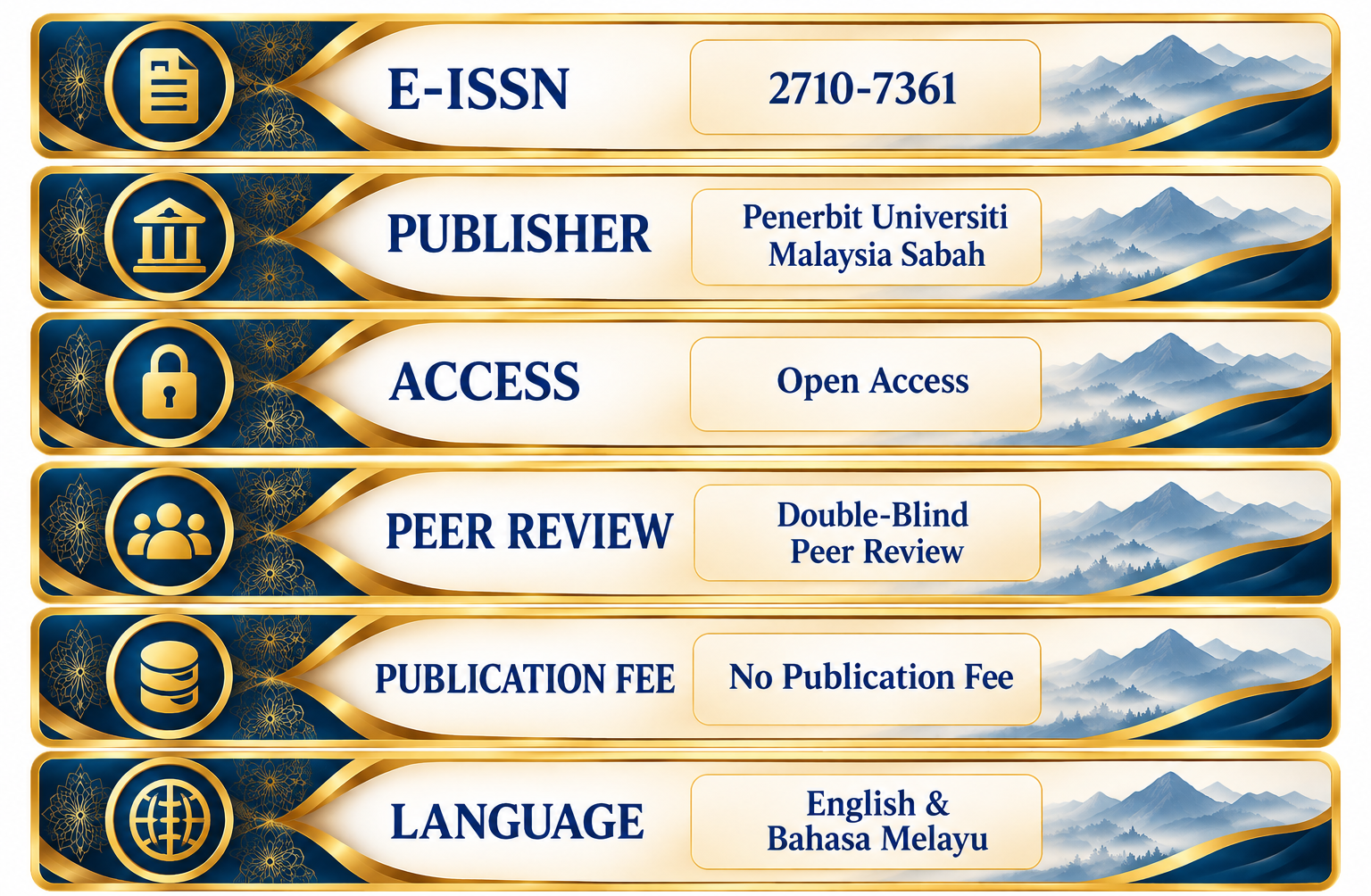
The Borneo International Journal of Education (BIJE) is an open-access journal. All articles are freely available to the public immediately upon publication without subscription or access charges.
Articles are published under the Creative Commons Attribution 4.0 International License (CC BY 4.0). This license permits users to read, download, copy, distribute, share, adapt, and build upon the published material in any medium or format, provided that appropriate credit is given to the original author(s) and source, a link to the license is provided, and any changes made are indicated.
BIJE's open-access policy supports the principles of the Budapest Open Access Initiative (BOAI) and promotes the widest possible dissemination and responsible reuse of scholarly research.




 Total Views: 80
|
 Total Downloads: 107